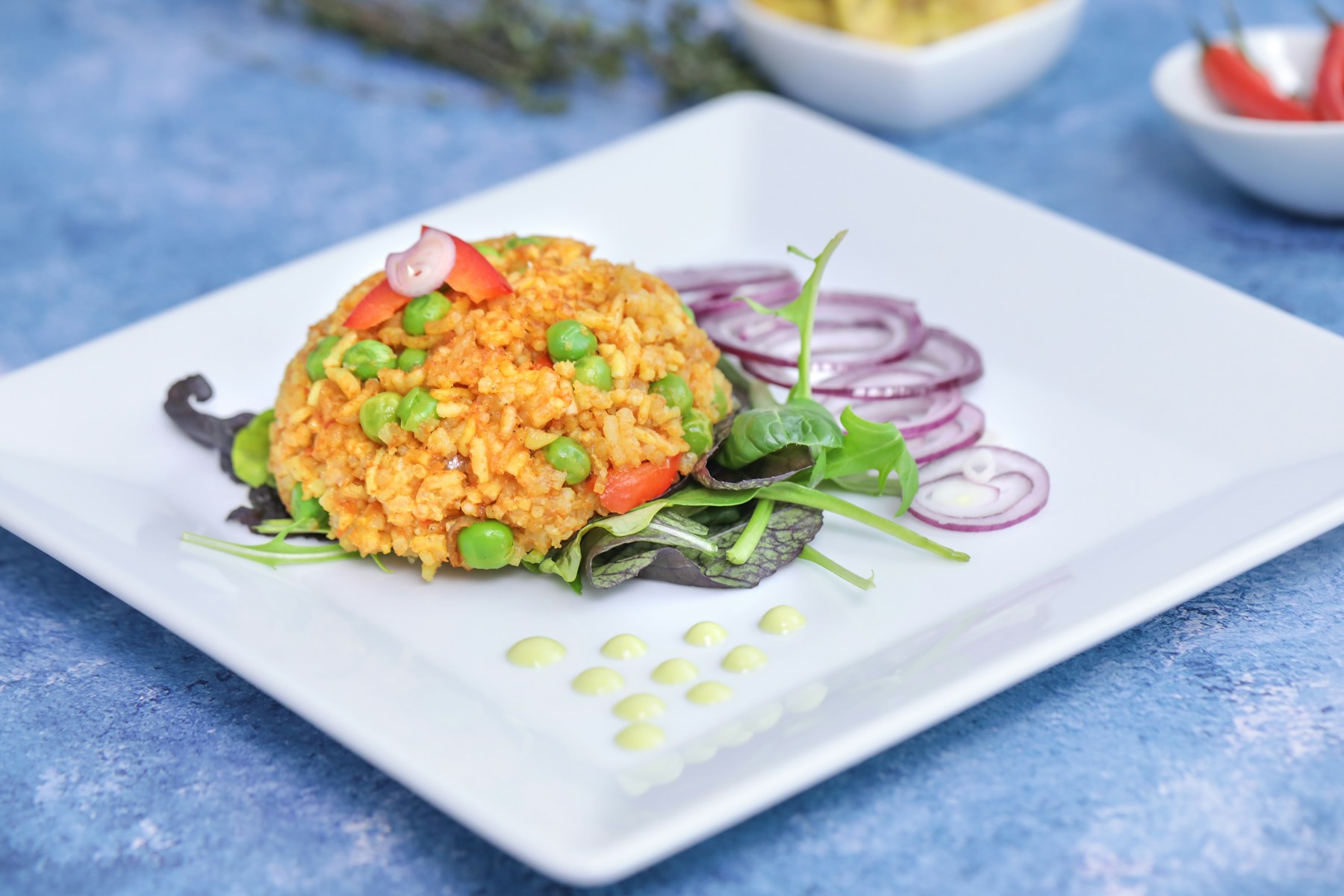
Ask a room full of West Africans about jollof and the conversation rarely stays quiet for long. Someone will defend the smokiness of a party pot. Someone else will insist the grains must remain perfectly separate. A third person will remember the version made in a family kitchen—less concerned with national prestige than with feeding everybody before the rice disappeared.
The rivalry is funny because it is familiar. It offers an easy way into the subject, but it should never become the whole story. Jollof is not a football score. It is a family of techniques, preferences and memories that changes across borders, cities, generations and individual cooks.
Start with the cook, not the claim
A useful Afrofeast story would begin by asking whose pot we are standing beside. Where did that person learn? Which ingredients are non-negotiable, and which have changed because of cost, availability or a move across the world? Those questions make a recipe more practical and more human at the same time.
One cook may reduce a pepper and tomato base until it is dark and glossy. Another may build flavour with stock, thyme and bay. Someone cooking in Darwin, London or Toronto may work with a different rice, a different chilli or the heat of a domestic oven rather than a vast celebration pot. Adaptation does not make the dish less real. It shows the dish is alive.
A recipe becomes more trustworthy when it tells you whose version it is.
This is also where design matters. The food should remain the warmest thing on the page: red pepper, browned edges, green herbs, the white of an enamel plate. Afrofeast teal does not need to colour the food. It frames it, organises the information and makes the experience recognisable before the reader even sees the logo.
What a good recipe page can hold
The finished Afrofeast version could move easily between story and action. A reader might arrive through this article, save the recipe, switch into Cook Mode and return later to hear the contributor describe the moment when the sauce is ready. The technology should reduce uncertainty without pretending there is only one authorised method.
That means measurements for the cook who needs them, sensory cues for the cook who trusts their hands, and ingredient alternatives for a diaspora pantry. It means naming the source, distinguishing editorial testing from family tradition, and giving contributors the final say over how their words and images appear.
AI may organise a transcript, translate a first draft or format a recipe. It should not invent family history, flatten regional differences or publish a contributor's voice without approval.
Let the rivalry open the door
There is no need to remove the joy from the debate. Humour is part of how communities recognise one another, and the jollof conversation travels beautifully online. Afrofeast can enjoy that energy while leading the curious reader somewhere richer: into technique, migration, celebration and the everyday generosity of a shared plate.
The strongest food platform will not answer “who wins?” once and for all. It will make room for many excellent pots—and help each cook explain what makes theirs worth gathering around.